Table of Contents
- Overview of the Yiwu Jewelry Market
- The Evolution of Yiwu as a Global Sourcing Hub
- Key Jewelry Categories in Yiwu
- Trend Analysis – What’s Hot in 2026
- Supplier Landscape and Quality Tiers
- How to Evaluate Jewelry Materials
- Negotiation & OEM/OEM Opportunities
- Pricing Insights & MOQ Strategies
- Export Logistics & Customs Tip
- Risks and Compliance in Global Trade
- Case Studies from Successful Buyers
- Final Market Insights & Action Plan
1. Overview of the Yiwu Jewelry Market
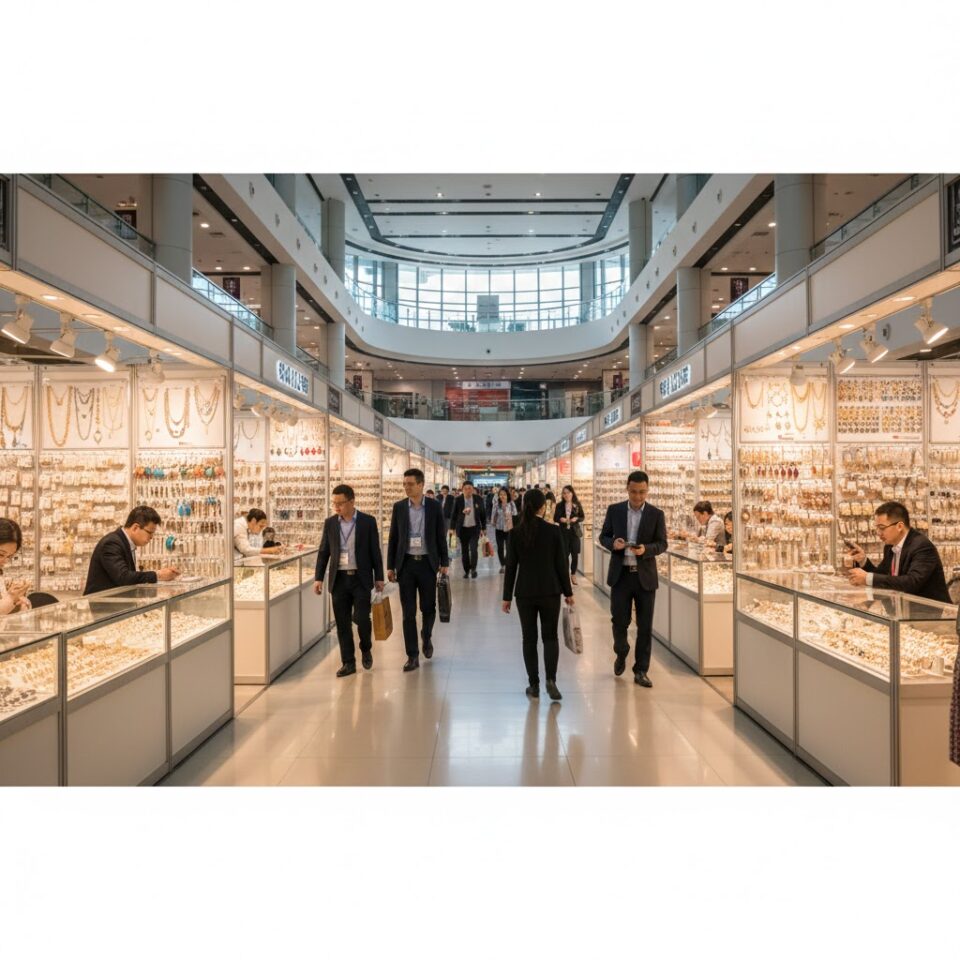
Located in Zhejiang Province, China, Yiwu is widely recognized as one of the most influential wholesale centers in the world. While the city handles a broad range of commodities, its jewelry and accessory markets have grown significantly in both scale and sophistication. Compared to online wholesale platforms, Yiwu’s physical marketplace attracts buyers who value real-time inspection, immediate sample access, and direct supplier negotiation.
The Yiwu International Trade City (义乌国际商贸城) forms the core of this ecosystem, encompassing thousands of booths, showrooms, and factories that specialize in fashion jewelry, accessories, and related components.
2. The Evolution of Yiwu as a Global Sourcing Hub
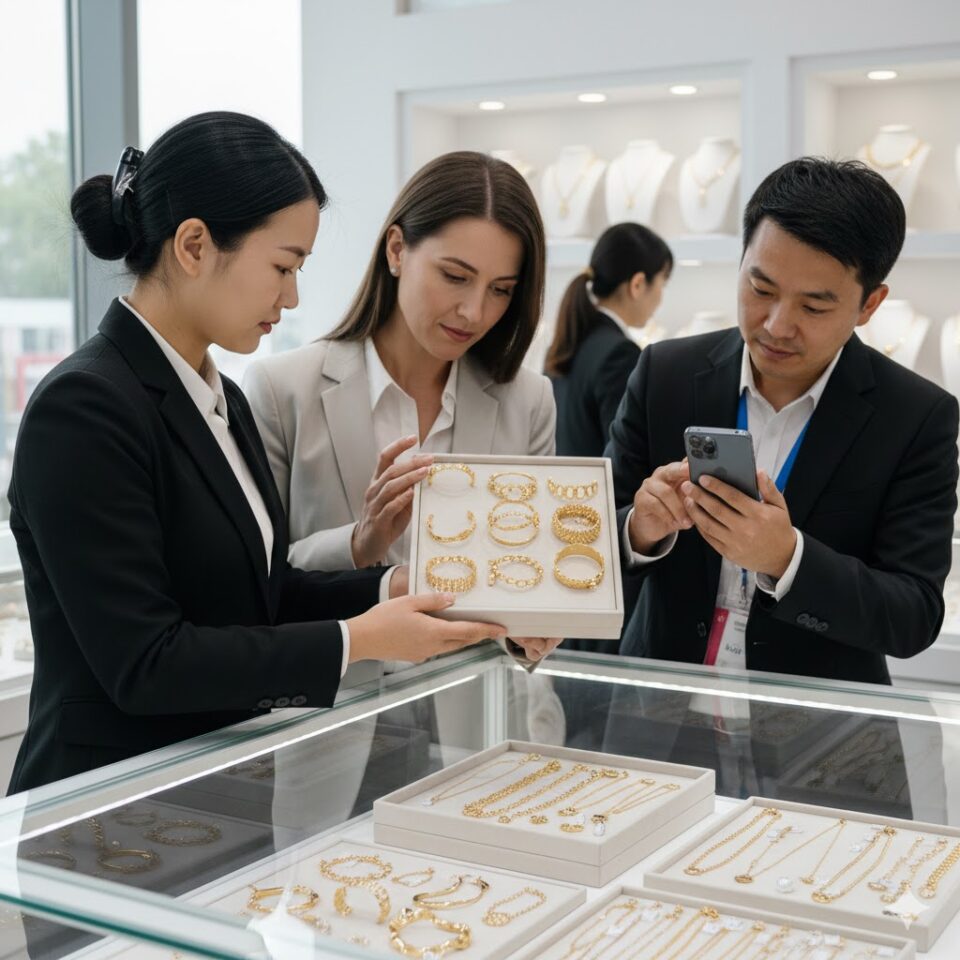
In the early 2000s, Yiwu was known primarily for inexpensive commodity goods. Over the past two decades, the market has progressively upgraded. Jewelry — once considered a secondary category — is now one of the city’s fastest-growing sectors. Drivers of this growth include:
- Rising global demand for affordable fashion jewelry
- Access to streamlined manufacturing networks
- Improvements in logistics and export services
- Rapid trend cycles fueled by social media platforms
Today, Yiwu is not just a place for cheap bulk goods — it has evolved into a trend-forward sourcing hub that services Amazon sellers, boutique chains, online retailers, and even established fashion brands.
3. Key Jewelry Categories in Yiwu
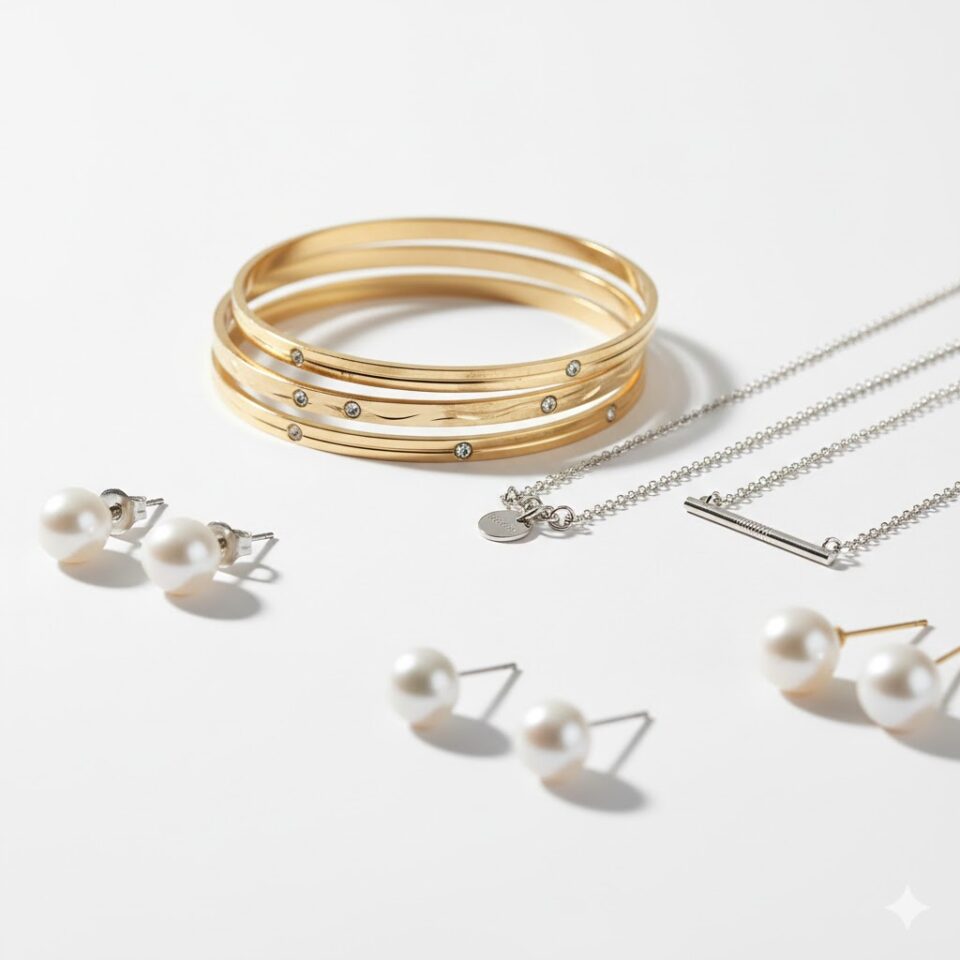
The jewelry market in Yiwu covers a wide spectrum:
✦ Fashion Jewelry
- Necklaces
- Bracelets
- Earrings
- Rings
✦ Hair Accessories
- Clips
- Headbands
- Barrettes
✦ DIY Jewelry Components
- Beads
- Chains
- Clasps
- Findings
✦ Seasonal and Trend Collections
- Festival pieces
- Wedding jewelry
- Minimalist sets
This variety allows buyers to curate comprehensive collections without sourcing from multiple geographic regions.
4. Trend Analysis – What’s Hot in 2026
Understanding market trends is crucial for retailers — especially those targeting fashion-conscious demographics in North America and Europe.
✧ Minimalist & Daily Wear
Clean lines and wearable pieces remain dominant, particularly for Gen Z and Millennial consumers. Think:
- Thin chain bracelets
- Layered necklaces
- Small hoops and studs
These designs are often sold in sets or mix-and-match formats.
✧ Sustainable & Allergy-Friendly Materials
Interest in hypoallergenic, tarnish-resistant materials such as 925 sterling silver and titanium plated pieces has risen significantly.
✧ Pearl & Beaded Revival
Pearls — both classic and modern interpretations — have reemerged into trend cycles. Beaded elements also align with boho and coastal fashion lines.
✧ Customizable Looks
Modular pieces that allow personalization — like interchangeable charms or multi-chain layering — appeal to self-expression trends.
5. Supplier Landscape and Quality Tiers
Not all suppliers in Yiwu offer the same standards. Broadly, you can identify three tiers:
📌 Tier 1 – Factory Manufacturers
Lower price, higher customization, direct export capabilities.
📌 Tier 2 – Trading Companies
Act as intermediaries who consolidate from multiple factories; provide sample services and smaller MOQ options.
📌 Tier 3 – Market Booths
Ready stock availability and immediate pickup solutions, but less control over production quality.
Savvy buyers often combine Tier 1 and Tier 2 sources — factories for long-term stock and trading companies for trend items or small orders.
6. How to Evaluate Jewelry Materials
Material evaluation is one of the biggest determinants of product performance and customer satisfaction.
Key materials to understand:
- Zinc Alloy: Affordable but prone to tarnishing
- Brass: Good plating base, moderate quality
- Stainless Steel: Durable, anti-tarnish, heavier feel
- 925 Sterling Silver: Higher quality, hypoallergenic
- Gold Plating: Overlay on silver/brass — quality varies by thickness
When assessing material, ask suppliers about:
- Plating thickness (microns)
- Tarnish resistance tests
- Nickel-free certification
7. Negotiation & OEM/ODM Opportunities
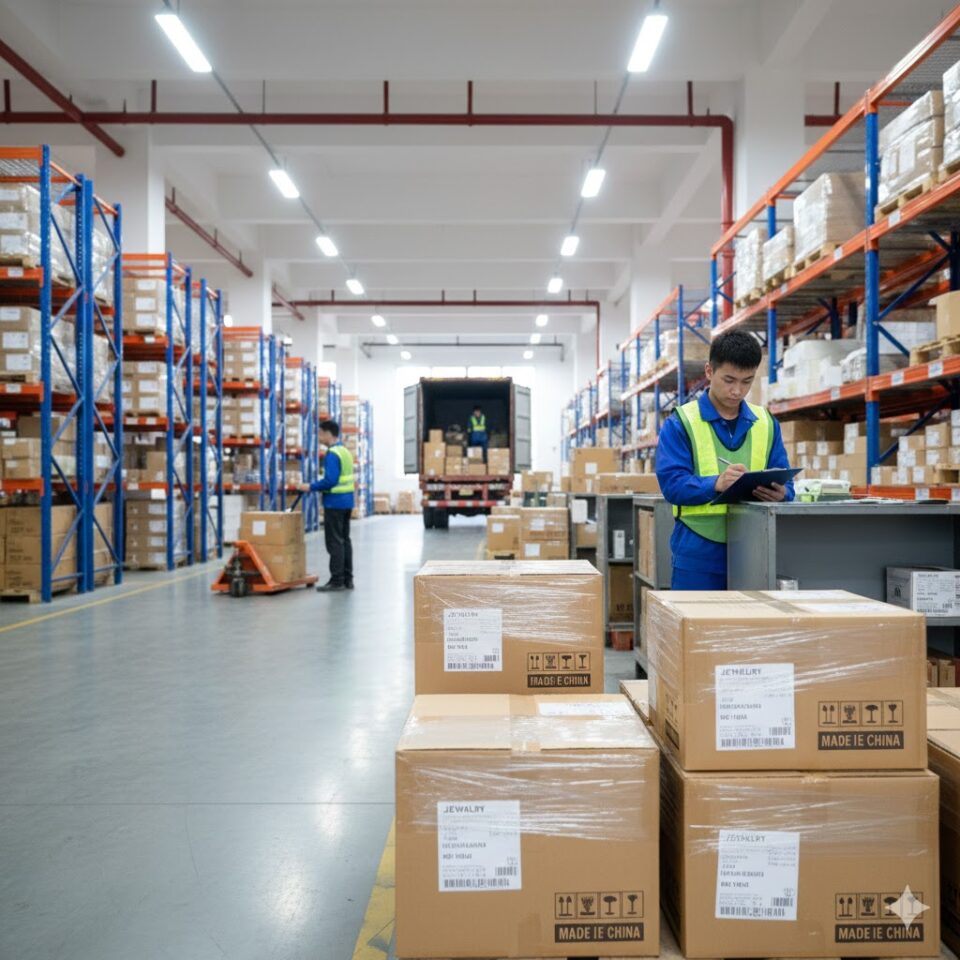
Yiwu is a negotiation-driven market. Effective techniques include:
- Bundling styles across categories
- Offering repeat order incentives
- Negotiating based on total volume rather than single style
- Requesting sample sets
OEM (Original Equipment Manufacturer) and ODM (Original Design Manufacturer) services are widely available. Typical OEM offerings:
- Custom packaging
- Logo stamping
- Custom design versions
- Certificate branding
MOQ for customization will vary, but many suppliers offer competitive rates for emerging brands.
8. Pricing Insights & MOQ Strategies
Pricing in Yiwu is influenced by:
- Material quality
- Plating technique
- Order volume
- Packaging options
- Export logistics
General pricing structure:
| Material | Typical Cost (Approx.) |
|---|---|
| Zinc Alloy | Low |
| Brass | Low–Medium |
| Stainless Steel | Medium |
| 925 Sterling Silver | Medium–High |
| Sterling Silver + Gold Plating | High |
MOQ Strategy Tips:
- Negotiate lower MOQs by grouping designs
- Try mixed pallets rather than single styles
- Build ongoing relationships to reduce minimums over time
9. Export Logistics & Customs Tips
Once orders are confirmed, logistics becomes a key consideration.
Popular shipping routes and methods include:
🚚 Air Freight
Fastest but costly — suitable for trend items or immediate stock.
🚢 Sea Freight
Best for bulk orders and full containers.
✈️ Courier Services (DHL / FedEx / UPS)
Best for small batches or sample shipments.
Export compliance steps typically include:
- Customs declaration
- Export licenses
- Packing lists and commercial invoices
- Quality certifications (if required by destination country)
Working with freight forwarders familiar with Yiwu can streamline customs clearance.
10. Risks and Compliance in Global Trade
Cross-border jewelry trade involves regulatory awareness:
✔ Anti-Tarnish & Materials Safety
Ensure compliance with:
- EU Nickel Directive
- CPSIA (US safety rules)
- REACH regulations for chemical compliance
✔ Intellectual Property & Design Rights
Avoid importing designs that may violate patents or copyrighted styles.
11. Case Studies from Successful Buyers
📊 Example A – US Boutique Chain
Pivoted to Yiwu sourcing to reduce per unit cost by 35% and expand trending categories.
📈 Example B – Amazon Seller
Used mixed pallets from Yiwu to quickly rotate seasonal inventory — resulting in 20% increase in Q4 sales.
These real-world examples show how flexible sourcing enables agile supply chain responsiveness.
**12. Final Market Insights & Action Plan
Key Takeaways:
- Yiwu remains a leading global jewelry sourcing hub in 2026
- Minimalist, comfortable, and customizable designs dominate trends
- Quality tiering helps buyers manage risk and pricing
- Export experience and logistics planning drive profitability
Action Plan for Buyers:
- Define product categories and target markets
- Pre-select suppliers and request samples
- Plan MOQ and packaging strategy
- Use freight forwarders familiar with Yiwu
- Comply with export and destination safety regulations
By mastering both the market and supply chain intricacies, buyers can confidently leverage the Yiwu jewelry ecosystem for long-term business success.
